
Safety induction video
Site induction videos that every worker sees the same way
Filmed on your site, with your people, plant and procedures. One approved briefing for staff, contractors, drivers and visitors — delivered identically on every shift, in every language your workforce speaks.
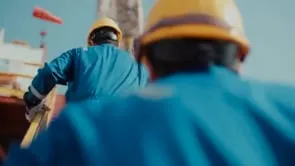
REC
A face-to-face induction has good days and bad days. A video doesn't.
Inductions are delivered by busy supervisors, often to mixed groups, often at 7am. Content drifts and nothing records what was actually said. A filmed induction fixes the message, shows the real site and gives you a record that every worker received the same briefing.
-
Your actual site, not stock footage
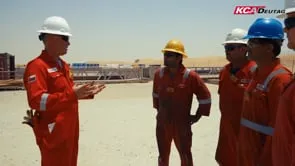
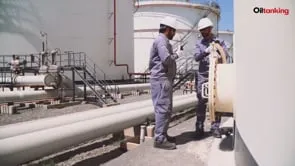
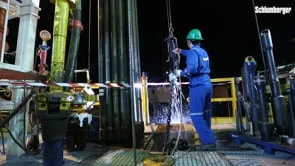
We film your entrances, walkways, plant, exclusion zones and muster points, so workers recognise the hazards when they see them.
-
Staff, contractor and visitor versions
One shoot, cut into modules for each audience, so a delivery driver doesn't sit through the full operative induction.
-
Multilingual by design
Subtitles and translated voiceovers planned from the script stage, not bolted on afterwards.
-
Animation where filming can't go
Hazards that can't be staged safely — falls, plant strikes, collapses — are shown with 2D or 3D animation inside the same film.
-
Built for review
Scripts are checked against your RAMS and site rules, and signed off by your HSE lead before we film.
-
Ready for screens, kiosks and your LMS
Delivered in the formats you use, from the cabin TV to your learning platform.
CDM 2015
requires a suitable site induction on every construction site
Principal contractors must ensure a suitable site induction is provided, and every employer must give workers adequate health and safety training when they start. The law doesn't prescribe the format. A filmed induction makes the content consistent and the record simple.
Source: Construction (Design and Management) Regulations 2015, reg. 13
What a good site induction video covers
Every induction is scripted around your site, but most cover the same core ground.
- Site layout, access routes and restricted areas
- Signing in and out, permits and supervision
- PPE requirements by area and task
- Plant, vehicle and pedestrian segregation
- Site-specific hazards and controls
- Emergency arrangements, alarms and muster points
- First aid and incident reporting
- Welfare facilities and site rules
- Stop-work authority and how to raise a concern
- Expected behaviours and consequences
From site walk to first screening
Start with a brief-
01
Site walk and brief
We walk the site with your HSE lead, agree audiences, languages and where the video will be shown.
-
02
Script against your RAMS
We write the script from your site rules and risk assessments, and you approve it before anything is filmed.
-
03
Film on site
A small, inducted crew films around live operations with minimal disruption. Animation is storyboarded in parallel.
-
04
Edit, review, translate
You review the cut, we make changes, then produce subtitled and voiced language versions.
-
05
Deliver and update
Final files for every screen and platform. When the site changes, we update the affected module, not the whole film.

Safety induction video
Tell us about your site
Location, workforce size, languages and when the induction needs to be live. We'll come back with a plan and a fixed quote.
- Address
- Studio 52 Arts Production Ltd, The Charter Building, Vine St, Uxbridge, London UB8 1JG, UK
- Phone
- +44 20 3096 5422 · +44 7498 012352
- [email protected]
- WhatsApp +44 7498 012352
FAQs
Safety induction video questions
What health and safety teams usually ask before commissioning an induction.
Talk to our expertsIs a video induction acceptable under UK health and safety law?
UK law requires employers to give workers adequate information, instruction and training, and CDM 2015 requires a suitable site induction on construction sites. It doesn't prescribe the format. A video is a strong way to deliver the consistent core of an induction, alongside a site-specific briefing, a knowledge check and a signed record.
How long should a site induction video be?
Long enough to cover site rules, hazards, PPE and emergency arrangements, and short enough to hold attention. Where there's more to cover, we split it into modules — for example operatives, contractors and visitors — so each audience only watches what applies to them.
Can the induction be produced in other languages?
Yes. We plan subtitles and translated voiceovers from the script stage, so every worker gets the same briefing in a language they understand.
What happens when our site or procedures change?
We build inductions in modules, so a change to one area or procedure means updating that section rather than reshooting the whole film. Animated sections are the quickest to update.
Will filming disrupt our operations?
We work with a small crew that completes your site induction, follows your rules and films around live operations. Shoot days are agreed with you in advance.