
3D safety animation
Safety animation for the hazards you can't film
You can't stage a fall from height, a plant strike or a confined-space incident on camera. You can animate it — accurately, from any angle, and in a form that's easy to update when your procedures change.
REC
Show the moment it goes wrong, without anyone getting hurt.
Animation lets you slow down the second a load swings, cut away the side of a vessel to show a gas build-up, or replay the same task the right way and the wrong way. It's the clearest way to teach what can't be shown on site.
-
Falls, plant and machinery
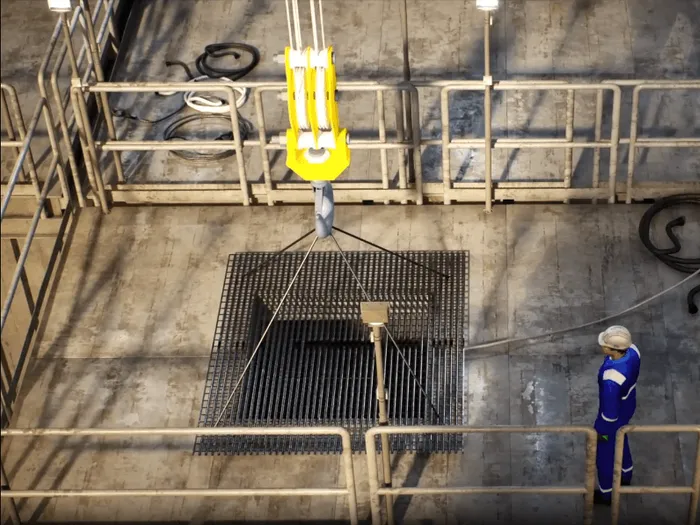
Working at height, lifting operations, plant–pedestrian interfaces and moving machinery, shown without staging a real risk.
-
Inside equipment and underground
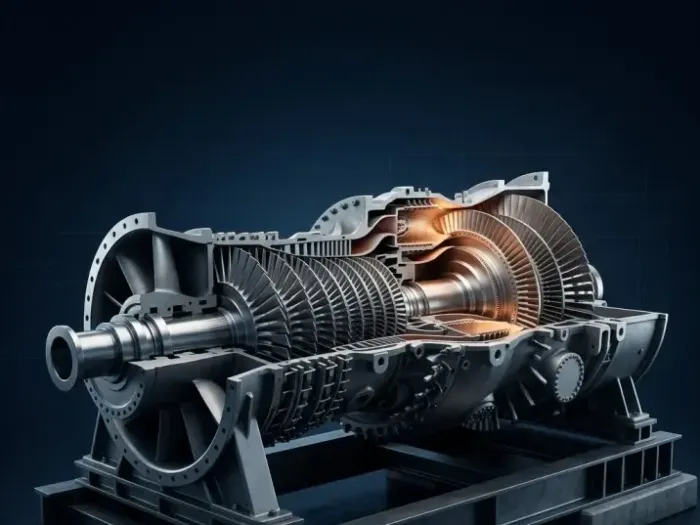
Cutaways of pressure systems, isolations, buried services and confined spaces that a camera can't reach.
-
Modelled on your kit
We build from your drawings, photos and equipment references, so the animation matches what workers actually use.
-
2D, 3D or hybrid
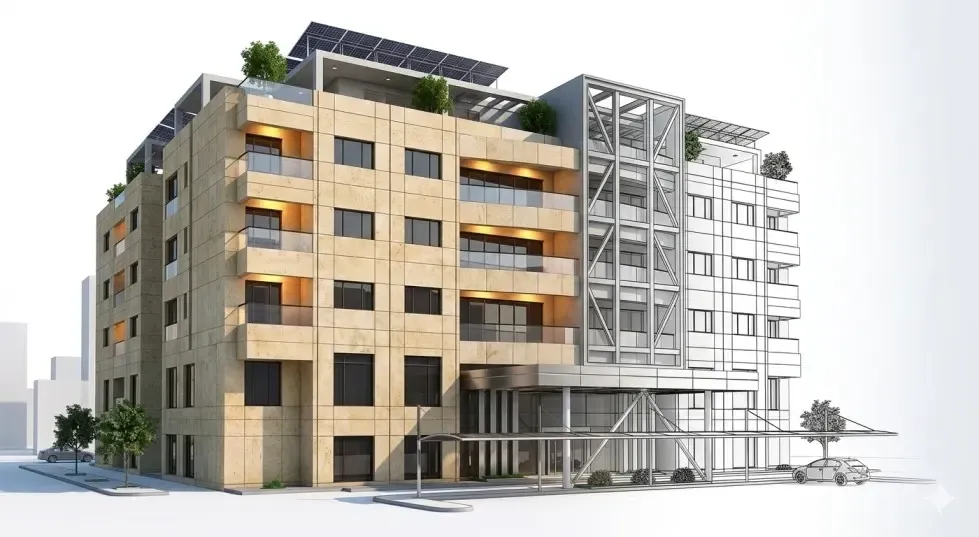
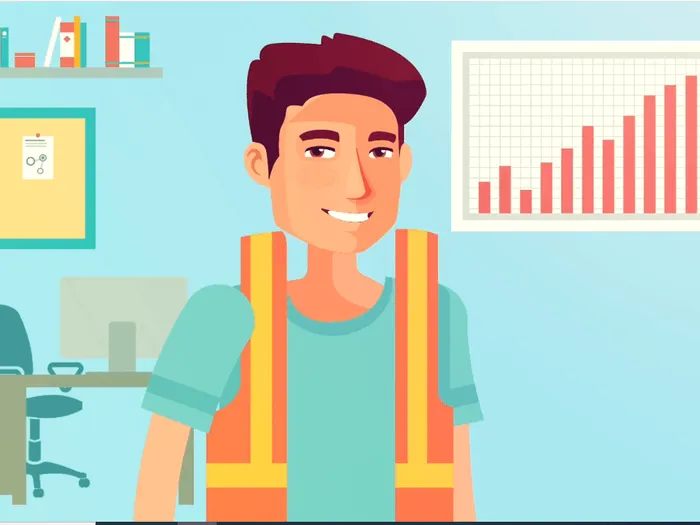
Simple 2D for rules and behaviours, detailed 3D for equipment and environments, or animation cut into live footage of your site.
-
Easy to update
When a procedure or PPE requirement changes, we update the scene. No reshoot, no new location day.
-
One film, every language
Animation has no lip-sync to fix, so translated voiceovers and subtitles are straightforward.
31
workers killed by falls from height in Great Britain in 2025/26
Falls from height remain the biggest single cause of worker deaths — around a quarter of the total. It's also the one hazard you can never safely recreate on camera. Animation can show it clearly, from the moment the control is missed.
Source: HSE, Work-related fatal injuries in Great Britain 2025/26 (provisional)
Where safety animation earns its keep
- Working at height and fall arrest
- Lifting operations and exclusion zones
- Plant and pedestrian segregation
- Machinery guarding and isolation
- Confined space entry
- Excavations and buried services
- Pressure systems and process safety
- Permit to work and LOTO
- Fire, evacuation and emergency response
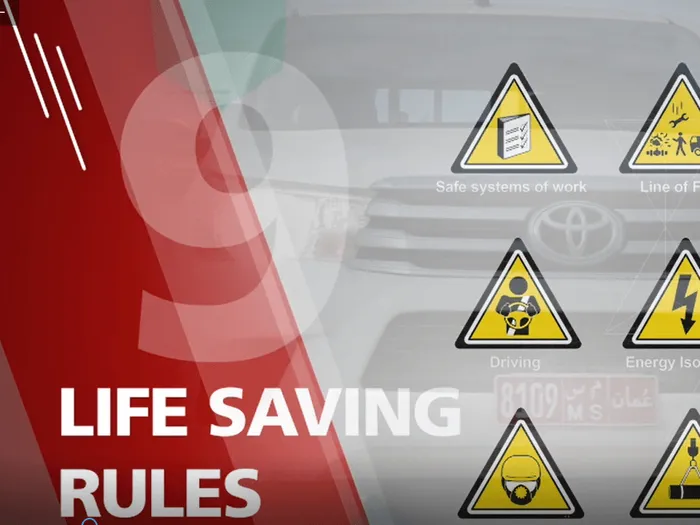
- Golden rules and life-saving rules
How a safety animation is made
Start with a brief-
01
Hazard and audience brief
We agree the hazard, the behaviours to change, who will watch and where.
-
02
Script and storyboard
Your procedures become a scene-by-scene storyboard that your HSE lead approves before any animation starts.
-
03
Modelling from references
Equipment, sites and characters are built from your drawings, photographs and site visits.
-
04
Animation and voiceover
Scenes are animated, narrated and reviewed by your subject-matter experts for technical accuracy.
-
05
Delivery and language versions
Final files for every screen and platform, with subtitled and voiced versions for your workforce.
3D safety animation
Which hazard do you need to show?
Tell us the task, the equipment and who needs to understand it. We'll recommend 2D, 3D or hybrid and send a fixed quote.
- Address
- Studio 52 Arts Production Ltd, The Charter Building, Vine St, Uxbridge, London UB8 1JG, UK
- Phone
- +44 20 3096 5422 · +44 7498 012352
- [email protected]
- WhatsApp +44 7498 012352
FAQs
Safety animation questions
What teams ask when choosing between animation and filming.
Talk to our expertsWhen is animation better than filming for safety training?
When the hazard can't be staged safely, happens inside equipment or underground, or needs to be shown from angles a camera can't reach. Filming is better when workers need to recognise their own site and colleagues. A hybrid film often does both.
What's the difference between 2D and 3D safety animation?
2D is simpler and quicker, and works well for rules, behaviours and step-by-step procedures. 3D shows equipment, spaces and movement realistically from any angle, which suits machinery, lifting and process hazards.
How do you make sure the animation is technically accurate?
We model from your drawings, photographs and procedures, and your HSE lead or subject-matter expert reviews the storyboard and the animation before anything is final.
Is AI animation good enough for safety training?
AI tools speed up parts of our workflow, but a safety animation must show your equipment and procedures exactly as they are. Every scene is checked against your references and signed off by your experts.